Phone:
(701)814-6992
Physical address:
6296 Donnelly Plaza
Ratkeville, Bahamas.

Phone:
(701)814-6992
Physical address:
6296 Donnelly Plaza
Ratkeville, Bahamas.
Did you know that the ocean is home to more undiscovered species than there are stars in the galaxy? It sounds almost like a cliché from a nature documentary, but marine science news is bubbling over with exciting new discoveries and innovative technologies. Join us as we dive deep into the latest happenings in the world of marine science, where research not only informs us about the mysteries of the deep but also shapes our understanding of conservation and public engagement. To put it bluntly: the ocean is cooler than your latest binge-watch.
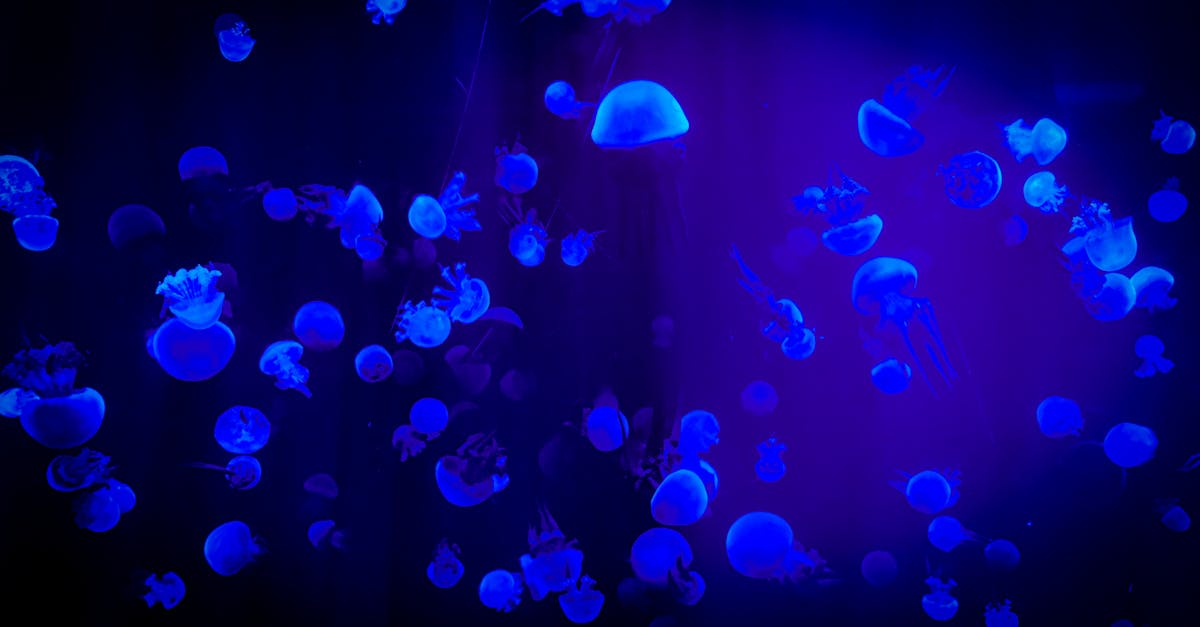
Marine science is constantly evolving, pushing the boundaries of what we know about our blue planet. Recently, researchers made strides in decoding the genetic makeup of key marine organisms, revealing insights into their evolution and potential adaptations to climate change. One exciting area we’re paying attention to is the study of jellyfish populations. These fascinating creatures have exploded in numbers in many regions, leading scientists to investigate their role in marine ecosystems. It’s wild to think about how shifts in these populations can affect everything from fish stocks to nutrient recycling in the ocean.
But it’s not just jellyfish stealing the spotlight. New methodologies in oceanography are enabling us to explore deeper than ever before. Think of it like upgrading from a flip phone to a state-of-the-art smartphone. With advanced sensors and autonomous underwater vehicles at our disposal, we’re capturing data that was once unimaginable, paving the way for groundbreaking research.
Discoveries in marine ecosystems have a knack for surfacing when we least expect them. Just recently, scientists uncovered a vibrant underwater ecosystem thriving near hydrothermal vents off the coast of Costa Rica. This ecosystem teems with life, including certain species that are found nowhere else on Earth.
We’ve also seen significant findings about coral reefs. For instance, researchers discovered that some coral species exhibit incredible resilience to rising water temperatures. This discovery could provide hope as we realize some corals might adapt and thrive even in the face of climate change. Pretty amazing, right?
Besides, let’s not forget about the discoveries about deep-sea fisheries. These findings could impact sustainable fishing practices and aid in preserving vulnerable populations of marine life, ensuring that we maintain a healthy balance in our oceans.
Technology is playing an increasingly vital role in marine science. We’re not talking about just flashy submarines: though, let’s be honest, those are super cool too. The real game-changer is the integration of artificial intelligence in data analysis. Imagine big data crunching patterns we never thought possible. This tech helps us predict marine phenomena, from plankton blooms to migratory patterns of marine mammals.
Besides, drone technology has stepped into the limelight, providing researchers with new views of coastal habitats without disturbing marine life. These flying machines help us monitor fish populations and assess habitat health with unparalleled efficiency. How often do we get to say that tech is not only cool but essential for the survival of marine ecosystems?
No exploration of marine science would be complete without addressing the role of policy. It’s all well and good to uncover new species and technologies, but what do we do with that knowledge? Policies directly influence conservation efforts. We need global cooperation to establish marine protected areas (MPAs) that safeguard vital habitats.
Recently, countries have begun to wake up to the challenges posed by human activities, such as overfishing and plastic pollution. Initiatives are springing up worldwide, aiming to regulate harmful practices. We are seeing progress with collaborative efforts like the Paris Agreement, which, although primarily focused on climate change, also recognizes the importance of marine conservation. In short, effective policy can make or break our efforts to preserve the oceans.
Perhaps one of the most critical aspects of marine science is public engagement. Educating the public about the importance of healthy oceans can drive change in behavior and inspire action. Organizations and scientists are harnessing social media to spread awareness about marine issues. Who knew a 30-second video could spark a movement?
Community-led initiatives are also thriving, encouraging local populations to partake in restoration projects, beach clean-ups, and conservation efforts. The more we involve people, the better equipped we are to protect the ocean. Together, we can cultivate a sense of stewardship that transcends generations and truly respects this precious resource.